
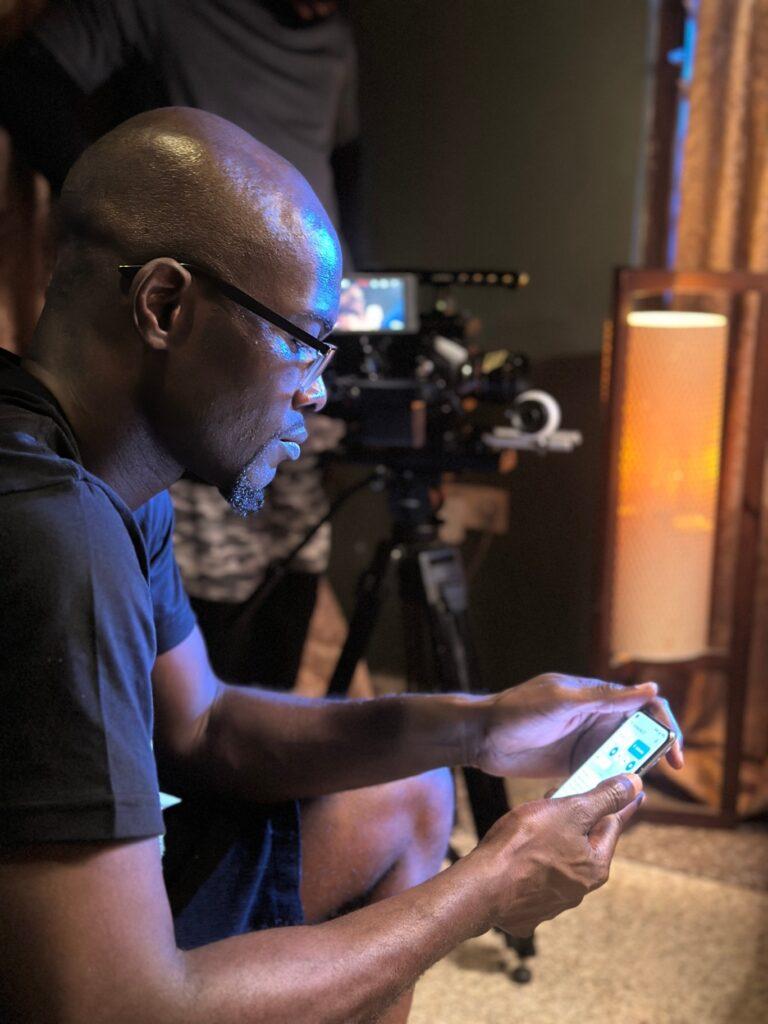
Stepping into the world of independent film production is exhilarating, but for most first-time producers, the reality check hits the moment you open a spreadsheet. You have a stellar script, a clear artistic vision, and a burning desire to bring your story to life. Then comes the daunting question: How do I actually pay for this?
Whether you are dreaming of a micro-budget feature or preparing for low budget film production, securing capital requires more than just passion: it demands strategy, financial organization, and an understanding of how an independent film production company operates.
At Anibok Studios, we’ve walked this exact path. When we set out to produce KING OF TƐMA, we faced the same hurdles every first-time producer encounters: tight margins, untested markets, and the challenge of convincing collaborators to take a chance on a bold vision. Through that journey, we learned that successful indie film financing isn't about finding one magical check; it’s about layering multiple realistic sources and treating your production like a real business from day one.
In this guide, we’ll break down practical, actionable strategies on how to finance an indie film, avoid common financial pitfalls, and position your project for production success.
1. Right-Size Your Budget Before You Chase Capital
The biggest mistake first-time producers make is writing a script that costs two million dollars and trying to figure out how to raise it with zero track record. Professional film production services always begin with one fundamental rule: design the story around the resources you can actually access.
Match the Scope to the Funding Reality
If this is your first feature, your budget needs to reflect what you can realistically raise from your immediate network, crowdfunding, and small private investors.
- Micro-Budget ($10k – $50k): Typically funded through personal savings, friends and family, initial crowdfunding, and extensive in-kind contributions (begging, borrowing, and bartering).
- Low Budget ($50k – $300k): Often requires a formal single-purpose LLC, small private equity investors, local arts grants, and targeted brand sponsors.
By right-sizing your script, you eliminate inflated line items and ensure that every dollar on screen counts.

2. Structure Your Project as a Business (Form an LLC)
When you ask people for money: whether it’s your uncle, a local angel investor, or a crowdfunding backer: you are no longer just an artist; you are managing a business.
Create a Single-Purpose Production Entity
Never mix film funds with your personal bank accounts. For every independent film project, you should set up a separate Limited Liability Company (LLC).
- Protection: An LLC protects your personal assets from production liabilities.
- Investment Vehicle: It allows you to issue membership units (equity) or promissory notes (debt) legally.
- The Recoupment Waterfall: Your operating agreement will outline exactly how revenue flows back. Typically, investors get their principal back plus a premium (e.g., 15–20%) before net profits are split.
Treating your film as a legitimate corporate entity builds instant trust with private investors who want to see financial professionalism alongside creative flair.
3. Layer Your Funding Sources (The Indie Financing Mix)
Very few independent films are financed through a single source. Instead, successful producers build a "financing stack." Here are the core pillars you should tap into:
Personal Investment and Friends & Family
Having "skin in the game" is essential. When you invest 10% to 20% of your own savings into the project, you signal to external investors that you genuinely believe in the film. Once your foundation is set, approach friends and family who understand the risks of entertainment investment and want to support your creative journey.
Crowdfunding with a Strategy
Platforms like Kickstarter, Indiegogo, and Seed&Spark are powerful tools, but they are not donation jars: they are marketing campaigns. Treat your crowdfunding launch like a product release. Build a high-production-value teaser, design exciting backer perks, and establish clear milestones. A successful campaign not only raises 10% to 20% of your budget, but it also proves to future investors that an eager audience already exists for your film.
Grants, Funds, and Soft Money
Look for regional film commissions, cultural institutes, and nonprofit arts foundations that offer development or production grants. While highly competitive, winning a non-recoupable grant acts as a powerful stamp of approval that makes other investors take notice. Additionally, explore regional tax incentives or rebates if you plan to shoot in specific locations: these "soft money" returns can significantly ease your cash flow.
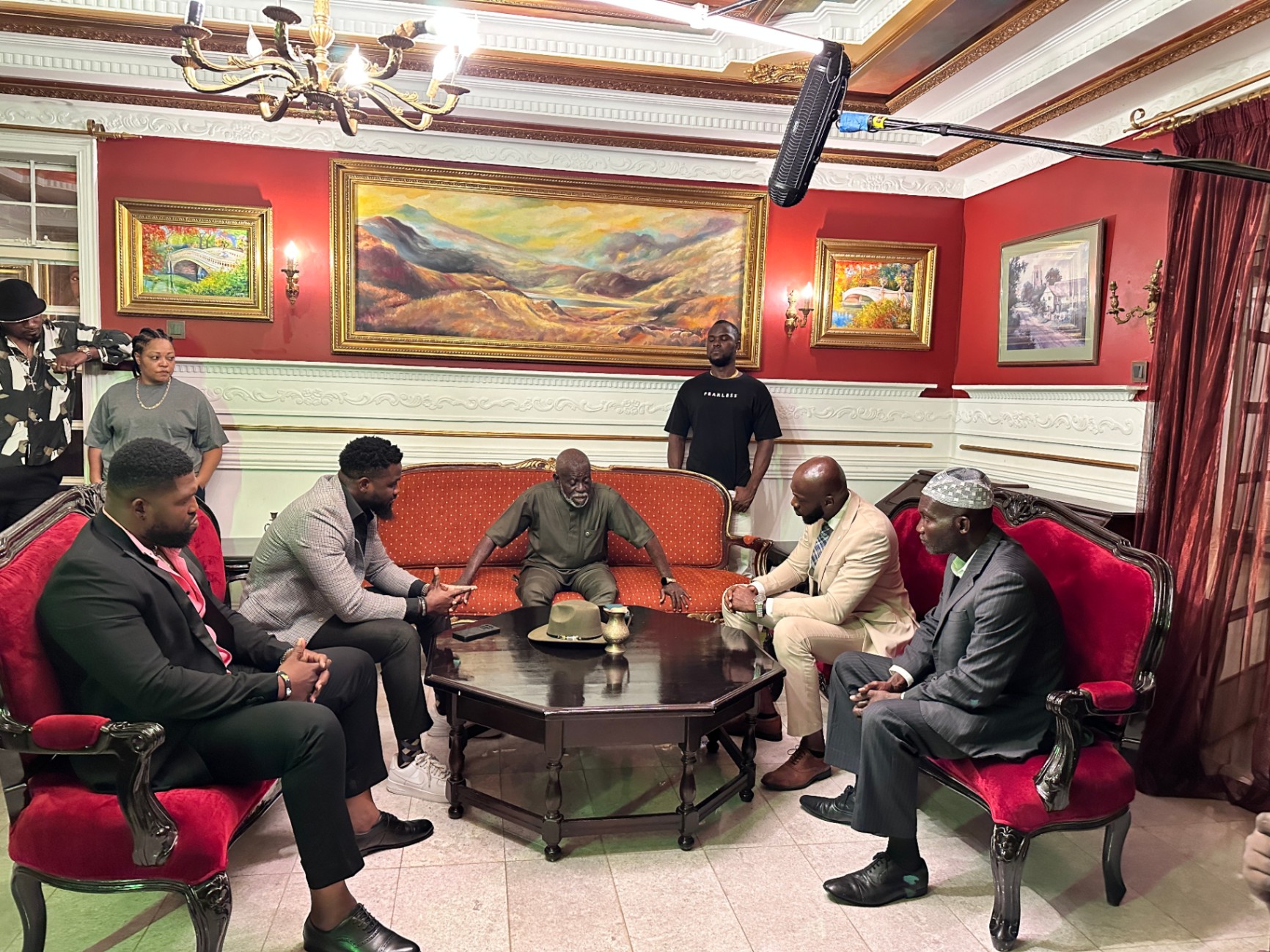
4. Real-World Case Study: Lessons from Producing KING OF TƐMA
When Anibok Studios embarked on producing KING OF TƐMA, we knew that standard Hollywood financing models wouldn't apply. We needed a blueprint rooted in resourcefulness, community trust, and uncompromising narrative impact.
We approached the financing of KING OF TƐMA through three core pillars:
- Sweat Equity and Strategic Deferments: We assembled a hyper-talented cast and crew who believed deeply in the story and agreed to deferred compensation models tied to the film's downstream success.
- Lean Overhead: By eliminating unnecessary logistical bloat, every single dollar raised was funneled directly onto the screen, maximizing production value.
- Emotional Resonance as Currency: We focused heavily on telling an authentic, emotionally charged story that resonated immediately with audiences and cultural stakeholders, generating organic word-of-mouth momentum.
The success of KING OF TƐMA reinforced our core philosophy: when a film connects on a deeply human level, the financial structure holds strong because audiences and partners believe in the mission.
5. Crafting the Investor Pitch Deck
Once your legal entity and budget are locked, you need an investor deck. Do not send people a 120-page script right away. Busy investors want to see a concise, visual package that answers their questions in under five minutes.
Your pitch deck should include:
- Logline and Synopsis: What is the emotional core of the story?
- Top-Sheet Budget: A clean summary of where the money goes.
- Key Creative Team: Bios proving you can execute the vision.
- Comparable Films: Proof of market demand (e.g., "In the vein of Moonlight meets Limetown").
- Distribution and Recoupment Strategy: How investors will realistically see their money returned.

Conclusion: Turn Your Vision into Reality
Financing an indie film is rarely easy, but it is entirely achievable when you approach it with discipline, transparency, and a solid business structure. By right-sizing your budget, building a diverse funding stack, and treating your project with professional rigor, you can transform your creative vision from a script on a page into a finished film on screen.
Ready to Bring Your Story to Life?
At Anibok Studios, we don't just produce high-quality cinematic content: we partner with filmmakers, brands, and visionaries to navigate every stage of production, from initial strategy and financing structure all the way to final marketing and distribution.
If you are ready to take your indie film or corporate video project from concept to screen, let's talk. Schedule a strategy and production consultation with our team today:
👉 Book a Consultation with Anibok Studios
{“@type”:”Article”,”author”:{“url”:”https://www.anibokstudios.com”,”name”:”Anibok Studios”,”@type”:”Organization”},”@context”:”https://schema.org”,”headline”:”How to Finance an Indie Film: A Practical Guide for First-Time Producers”,”publisher”:{“logo”:{“url”:”https://www.anibokstudios.com/logo.png”,”@type”:”ImageObject”},”name”:”Anibok Studios”,”@type”:”Organization”},”description”:”A practical, actionable guide for first-time producers on how to finance an indie film, featuring low budget film production strategies and insights from Anibok Studios.”,”mainEntityOfPage”:{“@id”:”https://www.anibokstudios.com/blog/how-to-finance-an-indie-film”,”@type”:”WebPage”}}