For too long, Ghana has been playing catch-up in the global content game. We've watched formats explode in other markets: streaming dramas, reality TV, docuseries: while we scrambled to adapt. But here's the thing about being behind the curve: sometimes it puts you in the perfect position to leapfrog everyone else when the right opportunity shows up.
That opportunity just arrived. It's called Vertical Micro Drama, and I'm betting everything that Ghana is about to own this space.
What I Saw at NATPE (And Why My Brain Won't Shut Up About It)
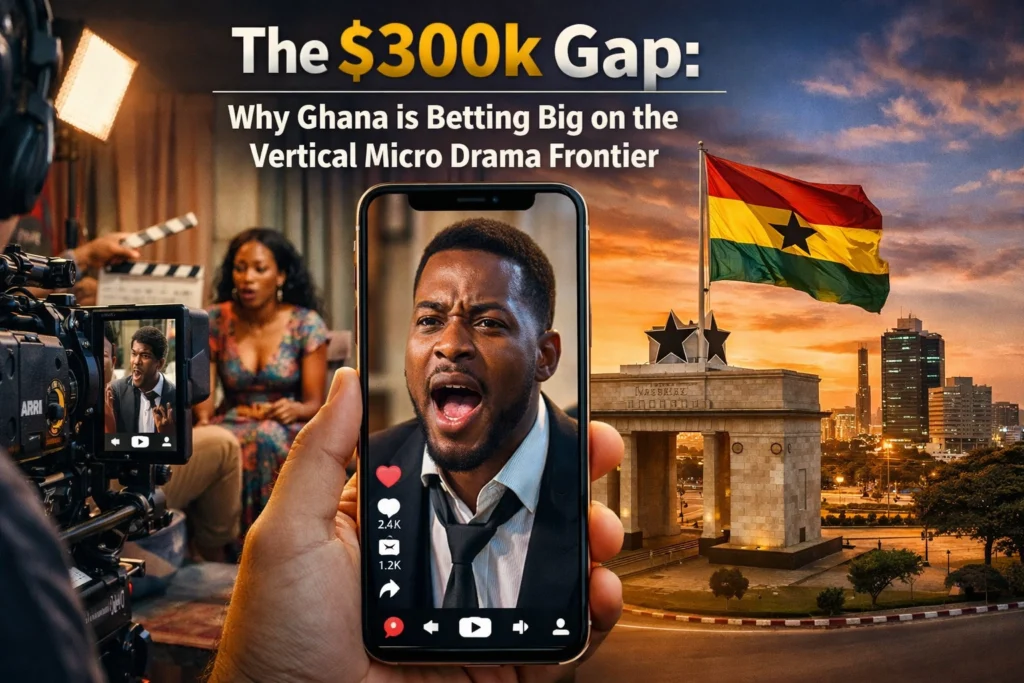
I just got back from NATPE: the biggest content marketplace in the world: and I spent three days watching production companies pitch their vertical micro drama slates. If you're not familiar, vertical micro dramas are bite-sized episodes (usually 1-3 minutes each) shot vertically for mobile, designed to hook viewers fast and keep them binging. Think TikTok meets a telenovela. The format is exploding globally, with the market valued at $8 billion in 2024 and expected to hit $30 billion by 2030.
Here's what stopped me in my tracks: companies are spending $100,000 to $300,000 per season to produce these shows. And when I say "season," I'm talking about 60-100 episodes, each under three minutes. They're shooting on massive soundstages with full crews, extensive post-production, and all the overhead that comes with traditional TV production.
I sat there doing math on a napkin. What they're doing for $100k, we can do in Ghana for $20k to $30k: and deliver higher quality storytelling. Not because we're cutting corners, but because we have natural advantages they're paying premium prices to replicate.
The Ghana Advantage: Sun, Stories, and a Hungry Audience
Let's talk about why Ghana is uniquely positioned to dominate vertical micro drama production:
1. We Have the Sun (Literally All Year)
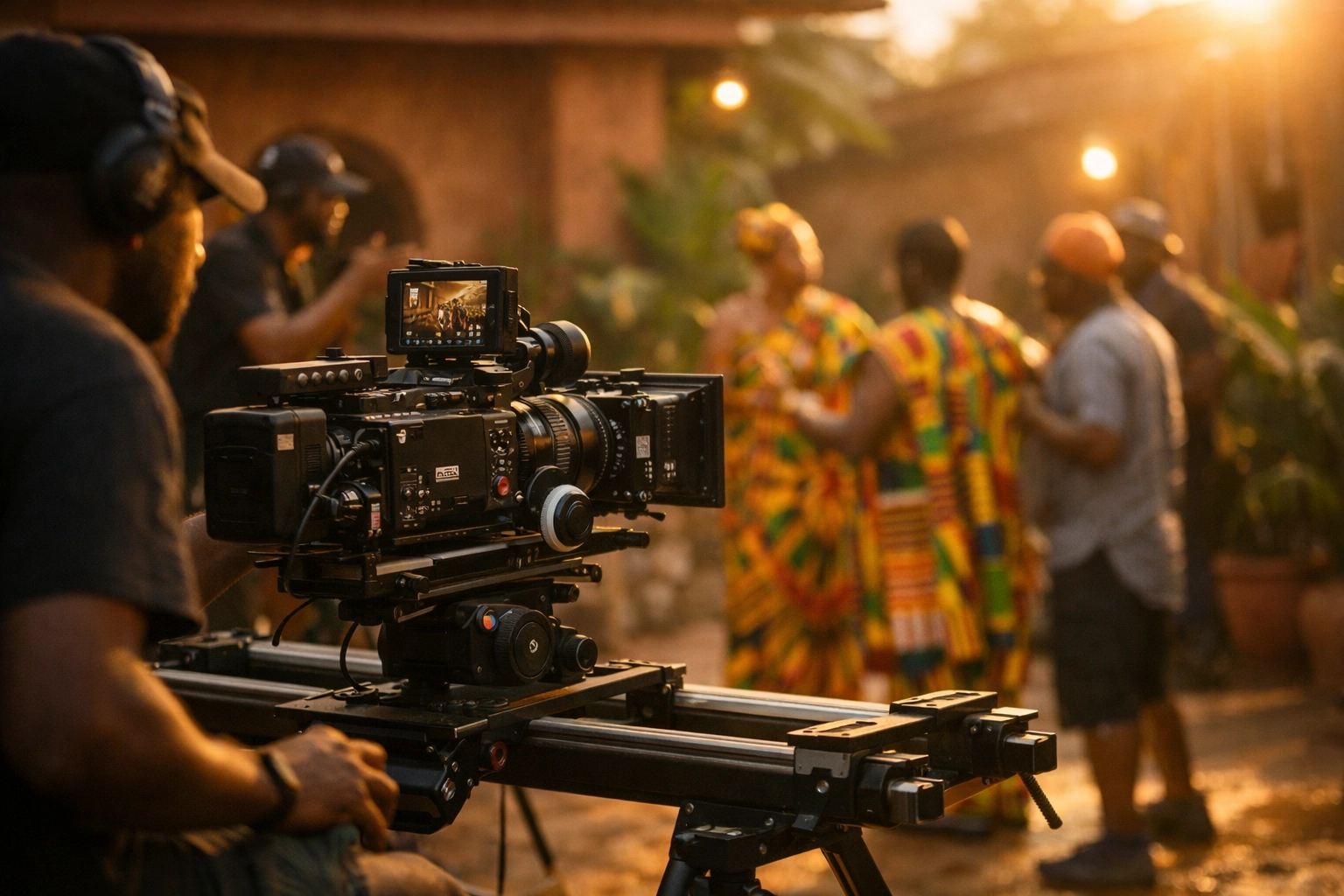
Northern Hemisphere productions spend tens of thousands on lighting setups and studio rentals to get consistent, beautiful light. We wake up to it every single day. Our natural light is cinematic gold, and it's free. When you're shooting 60+ episodes in a season, that production cost advantage compounds fast.
2. We Have Untold Stories for Days
The global audience is thirsty for fresh narratives. They've seen every variation of the New York love triangle and the LA drama. But Ghanaian stories? The family dynamics, the spiritual tension between tradition and modernity, the hustle of Accra, the village politics, the generational wealth battles: this is untapped territory. Every neighborhood has a dozen stories that would make the world lean forward.
3. We Already Love This Format (We Just Didn't Know It Yet)
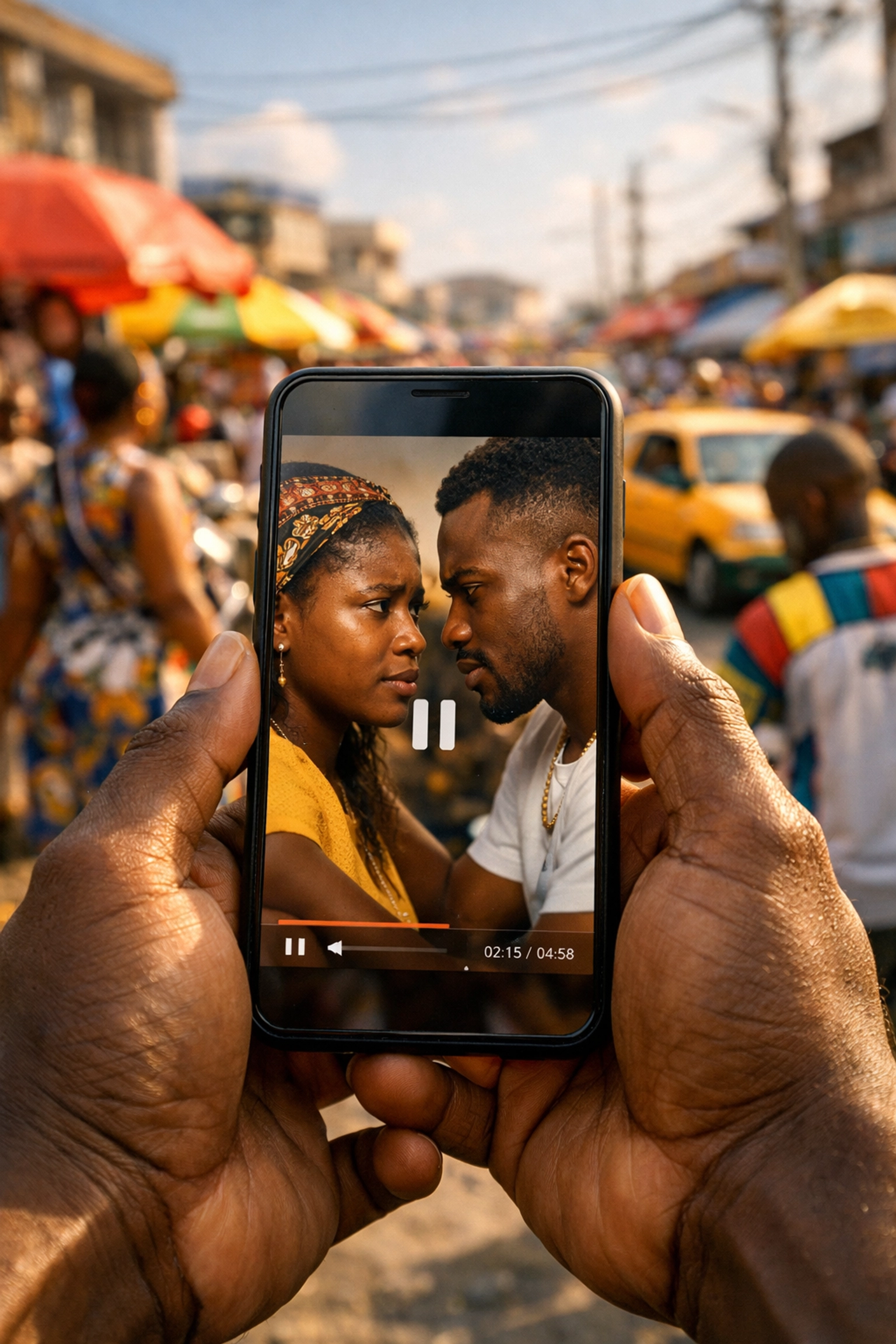
Here's the kicker: Ghana has been primed for vertical micro drama for decades. We grew up on telenovelas dubbed in local languages. We'll sit through 200 episodes of a Mexican or Filipino drama because we're hooked on the emotional escalation and the cliffhangers. Vertical micro drama is the same storytelling DNA, just optimized for the phone in your hand instead of the TV in your living room.
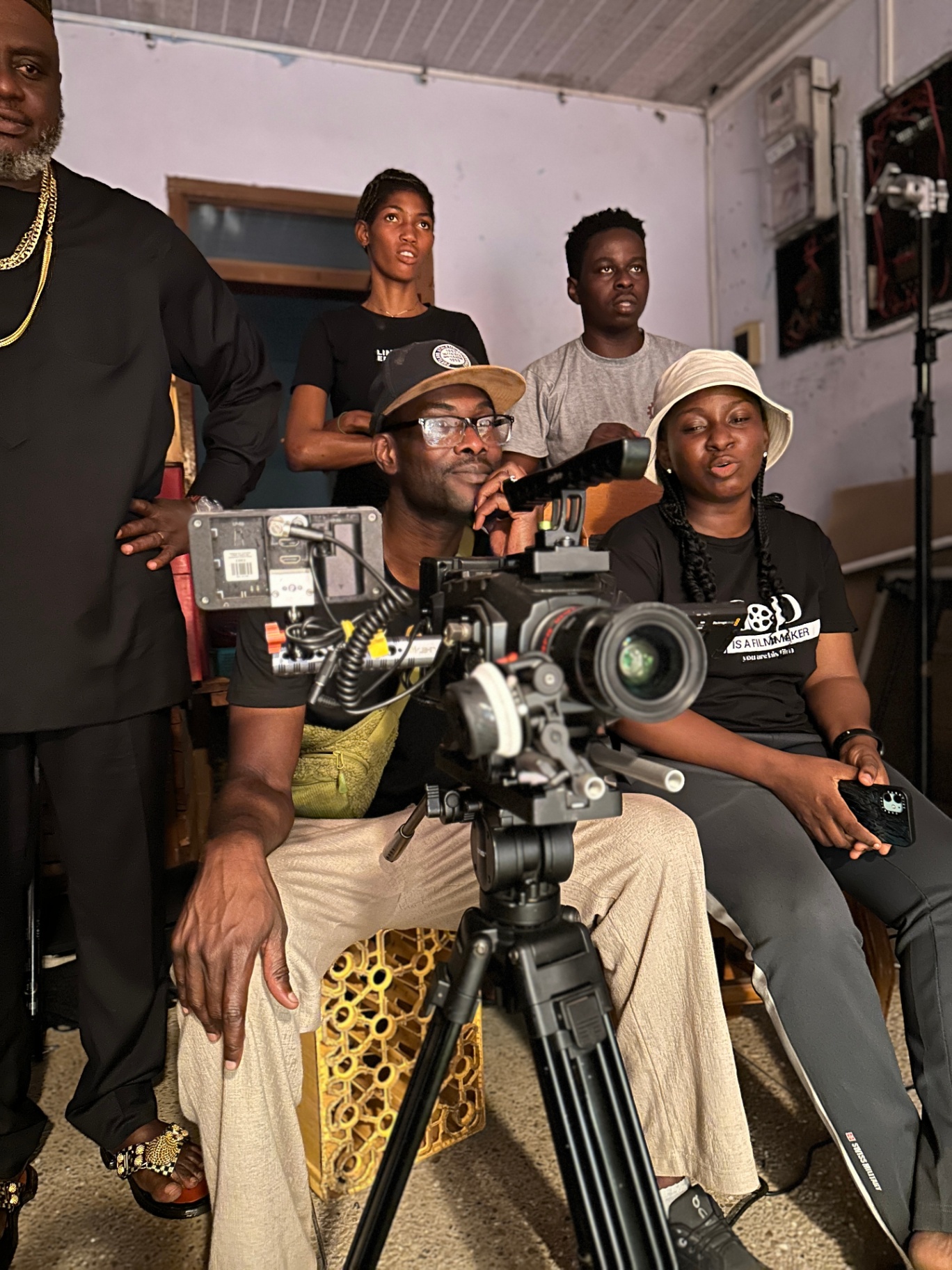
The format works because it mirrors how we already consume stories: fast, emotional, and bingeable. We're not teaching the audience something new; we're giving them what they love in a format they're already addicted to.
The Strategy: Merge the Industries We Already Have
Most countries trying to crack vertical micro drama are building infrastructure from scratch. Ghana doesn't need to. We already have all the pieces: they've just been operating in silos.
Here's the play: bring together the theater industry, film industry, TV industry, and voice-over actors to create a vertical micro drama machine.
Theater actors bring the emotional range and physicality. They know how to deliver a performance in three minutes that leaves you breathless.
Film crews bring the technical precision. We've been shooting feature films and commercials with limited budgets for years: we know how to make every frame count.
TV producers understand serialized storytelling. They know how to build 60 episodes with cliffhangers that keep people coming back.
Voice-over artists bring the secret weapon: local nuance. If we're dubbing shows in Twi, Ga, Ewe, or Hausa, we need actors who understand the cadence and cultural references. This is where we beat the international competition: our stories feel authentic because they are.
The Economics Are Ridiculous (In a Good Way)
Let's break down the cost advantage:
A U.S.-based production spending $100,000 on a 60-episode season is allocating roughly:
- $40k on crew and talent
- $30k on equipment and studio rentals
- $20k on post-production
- $10k on locations and logistics
In Ghana, we can flip those numbers:
- $8k on crew and talent (competitive rates, deep talent pool)
- $6k on equipment (partnerships with local rental houses)
- $10k on post-production (emerging post-houses hungry for work)
- $6k on locations and logistics (natural locations, lower costs)
That's $30k for a season that matches or exceeds their production quality. And because our stories are culturally specific, they'll actually resonate more with both local and diaspora audiences.
The global vertical micro drama market is projected to grow by 400% in the next five years. If Ghana positions itself as the low-cost, high-quality production hub for African and diaspora stories, we're not just participating in that growth: we're leading it.
Why I'm Betting Big (Even Though It's a Test)
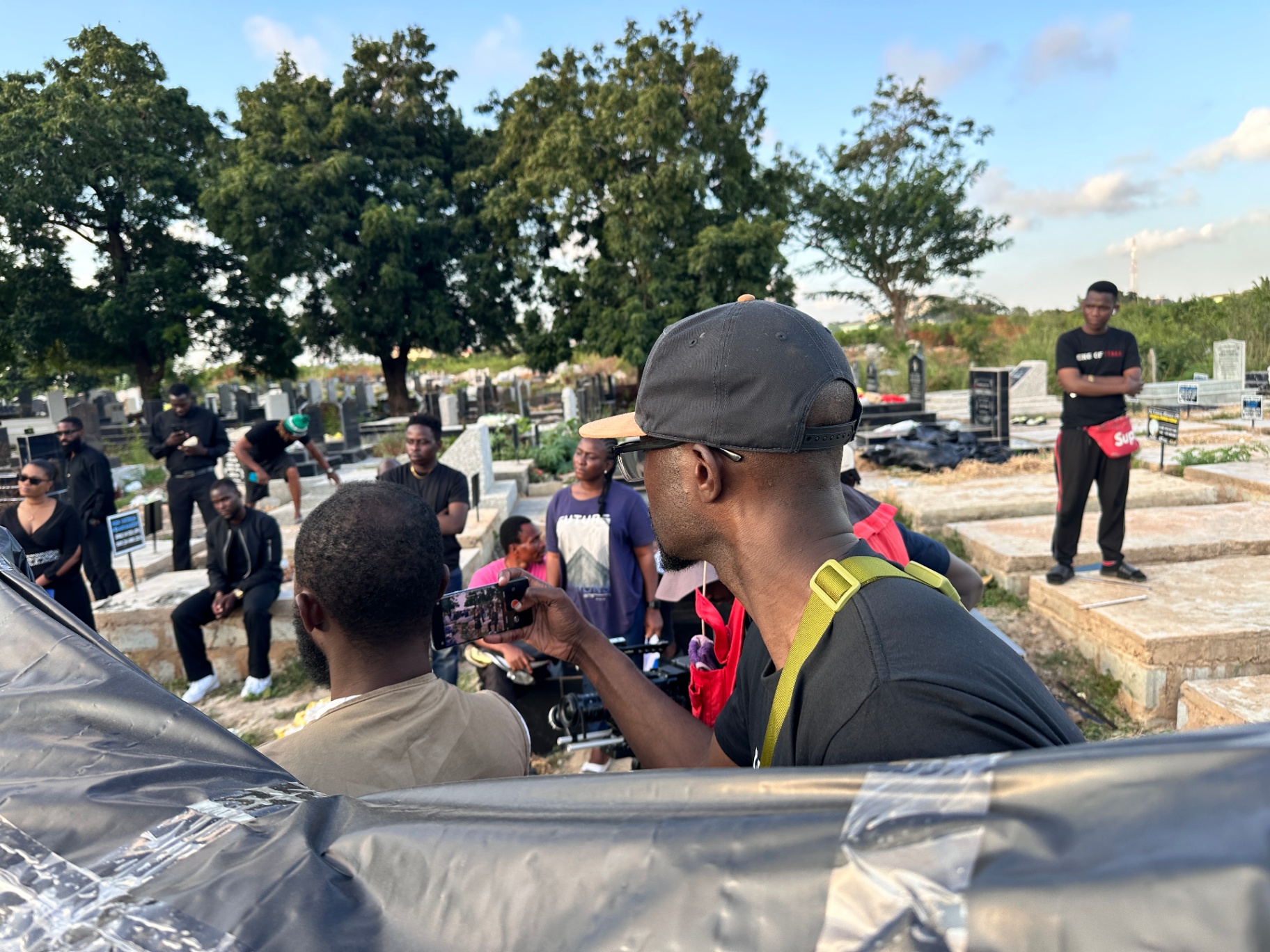
Full transparency: this is a test. We don't have a decade of case studies proving that Ghanaian vertical micro dramas will dominate the global market. But here's what I know:
The world is mobile-first. Over 70% of video consumption now happens on phones. Vertical format is the native language of mobile.
Africa is the fastest-growing mobile market on the planet. We're not waiting for infrastructure to catch up: we're already here.
Audiences are craving authenticity. The most successful content in 2025 isn't the most polished; it's the most real. Ghanaian stories have that in spades.
The cost advantage is undeniable. When you can produce at 30% of the cost with equal or better quality, you don't need to be perfect: you just need to be good enough and fast enough.
I'm shifting resources at Anibok Studios to focus heavily on vertical micro drama production. Not because I have all the answers, but because I'd rather be early and iterating than late and watching from the sidelines.
The Frontier Mentality
For years, Ghana has been behind the curve. We've adapted formats that worked elsewhere, localized them, and hoped for the best. That's not a knock: it's survival. But vertical micro drama is different. This is a new frontier, and the rules haven't been written yet.
When the rules haven't been written, you don't need permission. You just need to move.
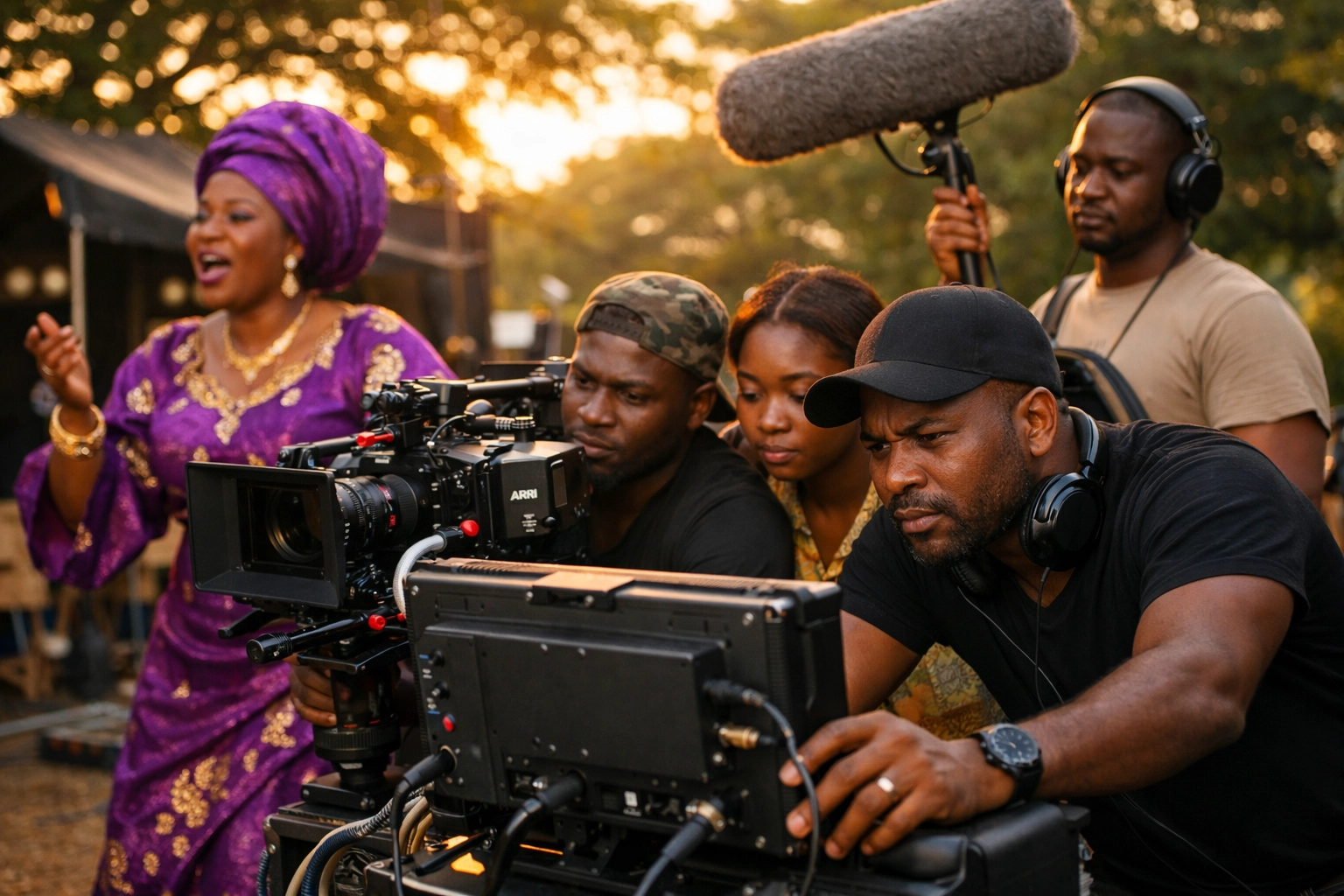
We have the sun. We have the stories. We have the talent. We have the audience that already loves serialized drama. And we have a cost structure that makes us the most competitive production hub in the game.
The only question is whether we'll bet on ourselves fast enough.
I'm betting we will.
Want to follow this experiment in real-time? I'll be documenting the production process, the wins, the failures, and the lessons as we build Ghana's first vertical micro drama slate. Check out the Anibok Studios blog for updates, or reach out if you're a theater actor, DP, or producer who wants to be part of this test.
The world is thirsty for our stories. Let's give them something they can't scroll past.