
The legal industry is currently obsessed with "efficiency." In 2026, every law firm has access to Large Language Models (LLMs) that can churn out a 1,000-word blog post on "What to do after a car accident" in approximately six seconds. The problem? Every other firm is doing the exact same thing.
When everyone uses the same engine to generate the same "educational" content, the result is a sea of digital noise. For a high-stakes personal injury firm or a white-collar defense practice, being "efficient" at being generic is a race to the bottom.
At Anibok Studios, we look at production through a strategic lens. We understand that while AI is a powerhouse for technical execution, it is fundamentally incapable of capturing the human stakes that win cases and secure high-value clients. You don't hire a law firm because they have the best AI; you hire them because you trust their story, their record, and their humanity.
Here is the strategic breakdown of where AI fits into a modern legal video production workflow: and where it must stay out.
The Human Wall: Why AI Fails at Storytelling
Storytelling is not just the arrangement of facts. It is the transmission of weight. In our work on KING OF TƐMA, we didn't just document events; we captured the soul of a community, the tension of leadership, and the nuances of heritage. AI can mimic the structure of a script, but it cannot understand the "why" behind a client’s tears or the specific cultural resonance of a firm’s commitment to its local community.
For a law firm, your "story" is your competitive advantage. It is the reason a client chooses you over a billboard. AI lacks the emotional intelligence to navigate the "gray areas" of human experience. It cannot conduct a deep-dive interview with a founding partner to extract the specific life event that led them to practice law.

Where AI Wins: The Efficiency Engine
While AI shouldn't write your script, it should absolutely power your distribution and technical backend. At Anibok Studios, we utilize AI to strip away the "busy work" of production, allowing our creative team to focus on high-level strategy.
1. Advanced Transcription and Searchable Metadata
In the past, sifting through ten hours of deposition footage or "day-in-the-life" b-roll was a manual, week-long process. Today, we use AI-driven transcription tools to index every word spoken on camera. This allows us to search for specific keywords across hundreds of files instantly. For a law firm, this means we can find that "silver bullet" quote from a client testimonial in seconds, not hours.
2. SEO and Content Atomization
Once a high-authority video is produced, AI becomes the ultimate distribution assistant. We use AI to:
- Generate SEO-optimized titles and descriptions for YouTube and Vimeo.
- Extract key insights to create LinkedIn-native carousels.
- Draft meta-tags that ensure your video appears in "People Also Ask" search results.
This is where the 300k Gap comes into play: the ability to take one high-quality asset and "atomize" it into dozens of pieces of micro-content for TikTok, Instagram, and YouTube Shorts.
3. Translation and Global Reach
For firms operating in diverse markets like New York or international hubs in West Africa, AI-powered dubbing and subtitling have reached near-human levels of accuracy. We can now localize a firm’s message into multiple languages, ensuring the brand’s authority isn't lost in translation.
The Anibok Production Workflow: A Hybrid Approach
We don't just "film videos." We build authority assets. Our workflow is designed to combine the precision of AI with the cinematic depth of traditional filmmaking.
Step 1: Strategic Discovery (100% Human)
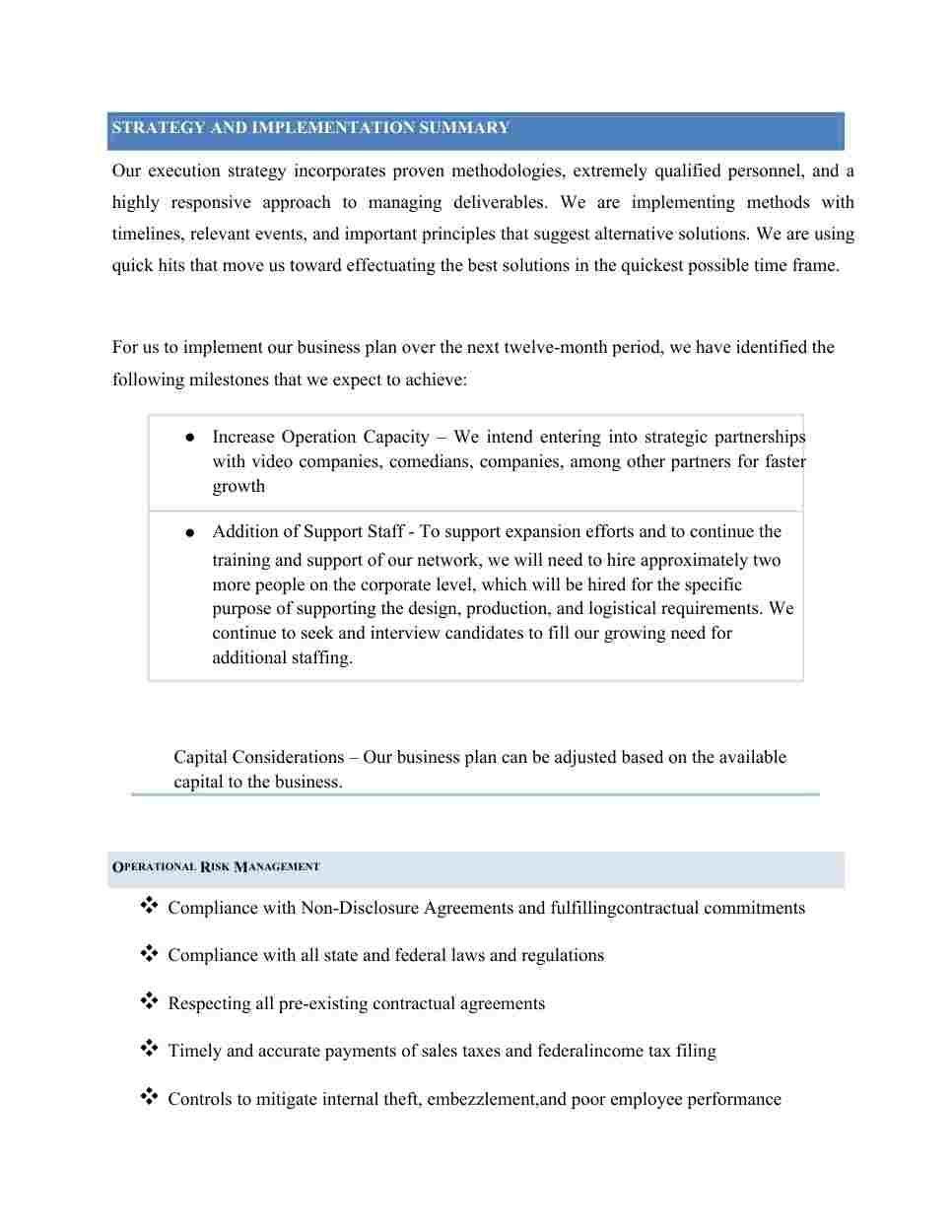
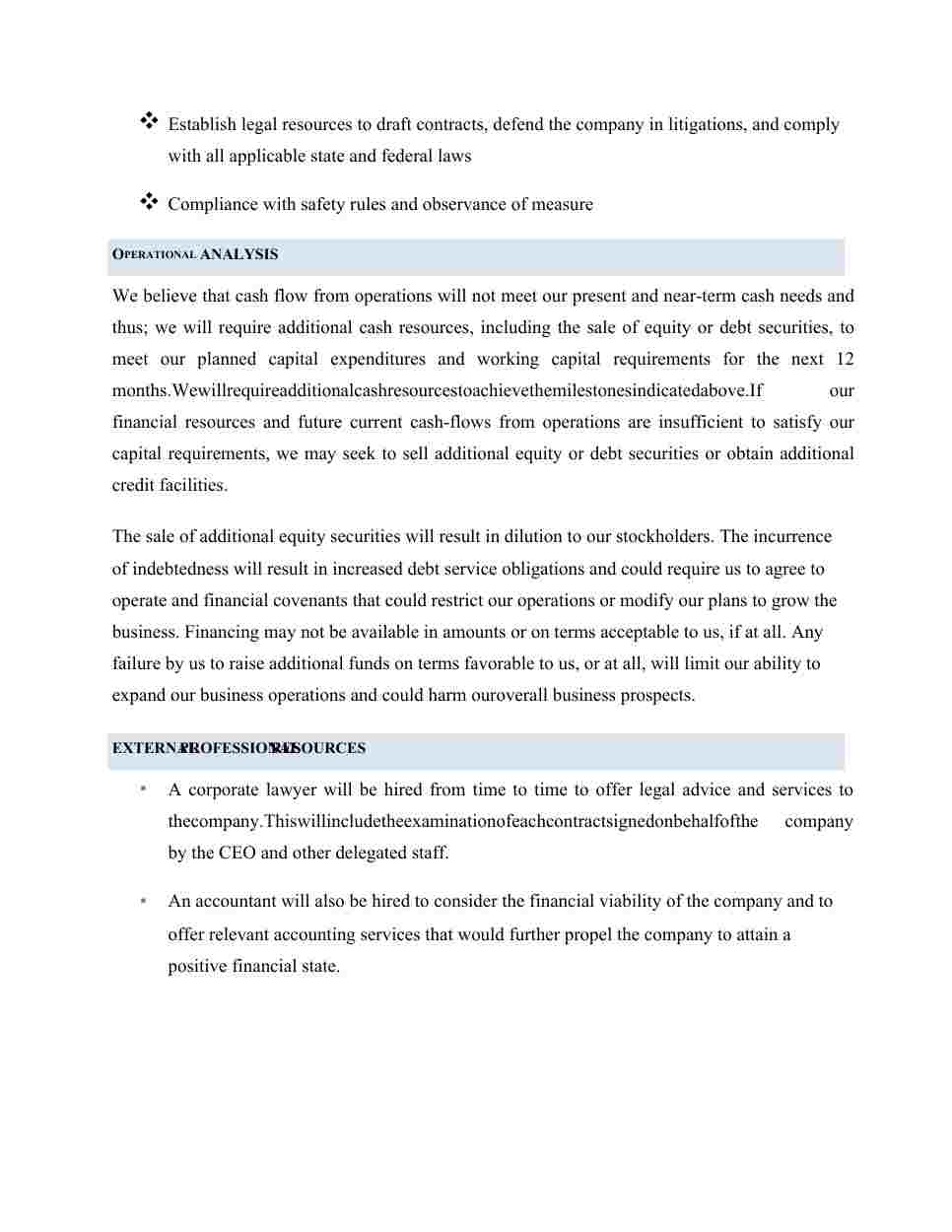
Before a camera is even uncased, we conduct a strategic audit. Who are the stakeholders? What is the lifetime value (LTV) of the client we are chasing? This stage requires human intuition and an understanding of the legal landscape. We look at operational risk and financial viability, much like the planning seen in our Corporate Planning Documents.
Step 2: The "Film-Led" Capture
We treat legal content with the same cinematic rigor as a feature film. Whether it’s a high-end brand film or a series of educational assets, the goal is "Trust Compression." We want to compress three years of relationship-building into a 90-second video. This requires lighting, sound, and direction that AI cannot simulate.
Step 3: AI-Enhanced Post-Production
Once the "raw truth" is captured on film, we bring in the machines. AI helps us color-grade for consistency, clean up background noise, and generate initial rough-cut "paper edits" based on the transcript. This speeds up the delivery timeline by 40%, getting your message to market faster without sacrificing quality.
Step 4: Distribution Strategy and Performance Analytics
In 2026, production is only half the battle. Distribution is the other half. We analyze data from platforms like Tubi, Amazon, and AVOD networks to see how audiences are consuming long-form vs. short-form content. We then use AI to adjust ad bids and targeting parameters in real-time.
The Risk of Over-Reliance on AI
Law firms must be wary of the "uncanny valley" of AI content. If a potential client senses that your firm’s "thought leadership" was generated by a bot, the trust is broken before the first consultation.
We prioritize Confidentiality and Risk Management in our workflow. When you work with Anibok Studios, your firm’s proprietary stories and case details are protected by strict NDAs and secure data handling. AI tools are used locally or through enterprise-grade, "closed" systems to ensure your data never leaks into the public training sets of global LLMs.
Why This Matters for the "Serious" Firm
The legal market is bifurcating. On one side, you have the "volume" firms using AI to flood the internet with cheap, forgettable content. On the other side, you have the "authority" firms who use video to position themselves as the only logical choice.
The latter understands that video is the last remaining "high-trust" medium. In a world of deepfakes and AI-generated text, seeing a lawyer’s face, hearing their voice, and feeling their conviction is the ultimate proof of expertise.
Conclusion: The New Standard
AI is a tool for efficiency, not a substitute for identity. At Anibok Studios, our mission is to help law firms bridge the gap between technical excellence and emotional resonance. By integrating AI into the heavy lifting of the production workflow, we free up the space to tell stories that actually matter: stories with the weight and impact of KING OF TƐMA.
If your firm is ready to stop being "efficiently generic" and start being "authoritatively unique," it’s time to look at your production workflow through a new lens.
For more insights on the intersection of film economics and corporate strategy, visit our blog or explore our core values.